

Using Analytics to Optimize B2B Lead Generation Campaigns
 Darshan JainDecember 18, 20251 Mins read0
Introduction
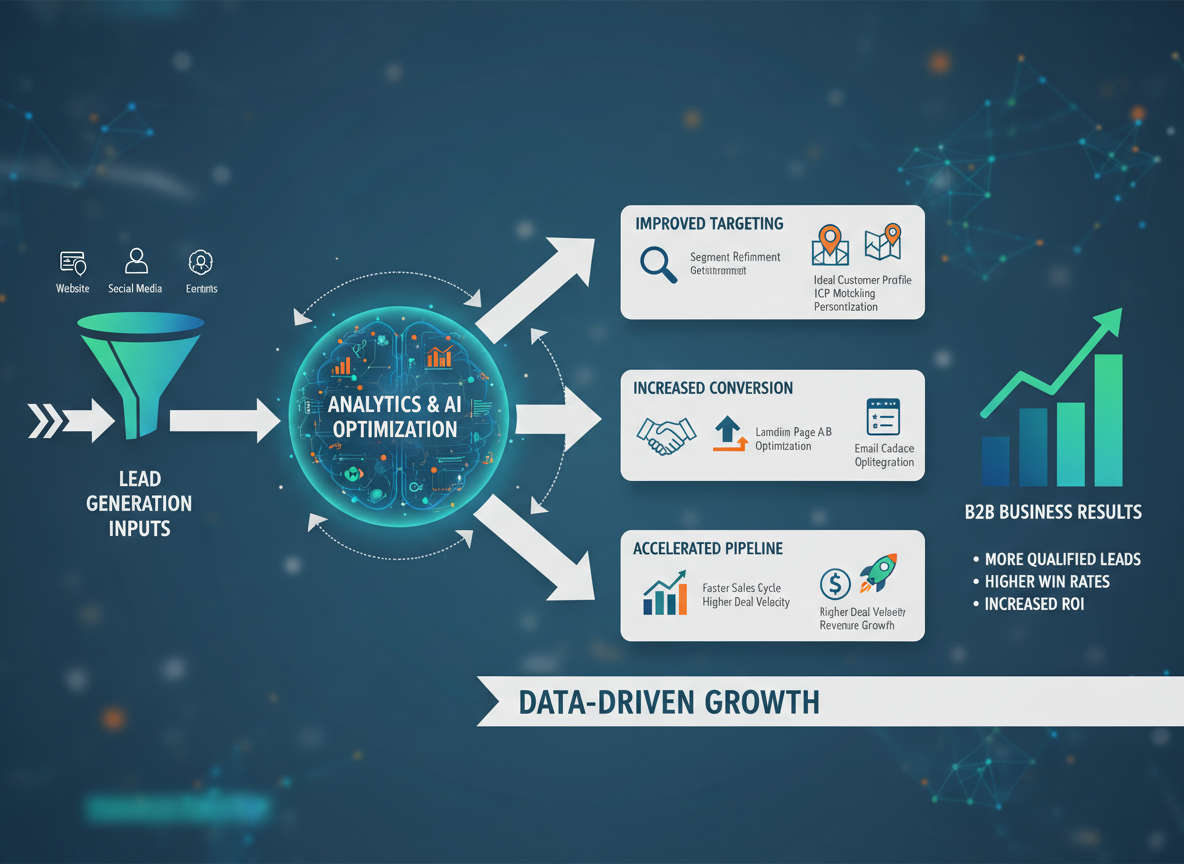
Many B2B lead generation campaigns fail not because of poor ideas, but because performance is never properly analyzed or optimized. Teams launch campaigns, collect leads, and move on without understanding what actually worked.
Analytics turns lead generation from guesswork into a repeatable system. When used correctly, it helps teams improve targeting, messaging, conversion rates, and overall pipeline contribution.
This article explains how B2B organizations can use analytics to continuously optimize lead generation campaigns.
Start With Clear Campaign Objectives
Analytics is useless without clear goals.
Before analyzing performance, define:
- Target audience and ICP
- Desired lead quality
- Funnel stage focus
- Pipeline or revenue contribution expectations
Clear objectives ensure analytics answers the right questions.
Track Lead Quality Not Just Lead Volume
Volume alone hides poor performance.
Analytics should measure:
- Marketing qualified lead rate
- Sales accepted lead rate
- Lead to opportunity conversion
- Cost per qualified lead
These metrics reveal whether campaigns attract buyers or just traffic.
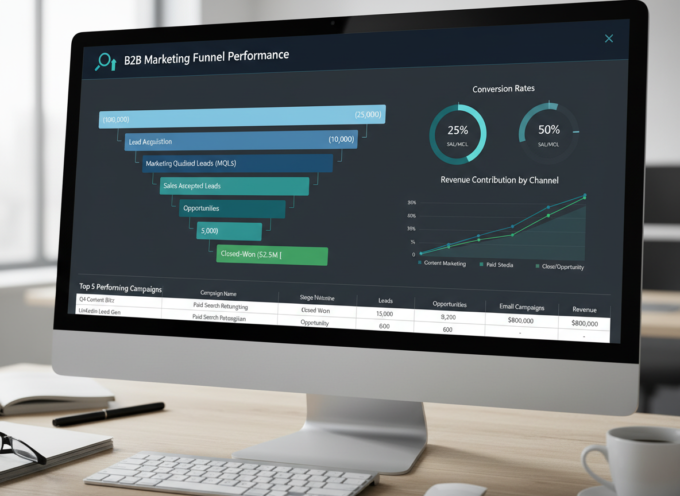
Analyze Funnel Drop Off Points
Lead generation does not end at capture.
Analytics should identify:
- Where leads disengage
- Which stages convert poorly
- How long leads remain stuck
- Which sources produce sales ready leads
Optimizing drop off points improves overall funnel efficiency.
Use Channel Performance Data Wisely
Not all channels perform equally.
Analytics helps teams understand:
- Which channels deliver high quality leads
- Cost efficiency by source
- Conversion rates by channel
- Pipeline impact per channel
This data guides budget allocation and channel prioritization.
Improve Messaging Through Engagement Analysis
Analytics reveals how prospects respond to messaging.
Useful insights include:
- Content engagement patterns
- Email response behavior
- Topic level performance
- Role based engagement differences
Refining messaging based on engagement data increases relevance and conversion.
Align Sales Feedback With Analytics
Sales insight strengthens analytics.
Combine data with:
- Sales feedback on lead quality
- Objections encountered
- Common qualification gaps
- Close rates by source
This alignment ensures optimization is grounded in real sales outcomes.
Use Analytics for Continuous Improvement
Optimization is not a one time task.
High performing teams:
- Review analytics regularly
- Test and refine campaigns
- Eliminate underperforming tactics
- Scale what delivers pipeline impact
Analytics creates a feedback loop that improves performance over time.
Final Thoughts
Analytics is the difference between running campaigns and running a system. B2B teams that use analytics to guide lead generation decisions achieve higher efficiency, better alignment, and more predictable revenue.
Optimized lead generation is built on insight, not intuition.





Leave a comment