

How Technology Is Redefining the B2B Go To Market Strategy
 Darshan JainDecember 18, 20252 Mins read0
Introduction
The traditional B2B go to market strategy was built around rigid handoffs between marketing and sales, limited data visibility, and linear buyer journeys. That model no longer reflects how modern buyers research, evaluate, and purchase solutions.
Technology has fundamentally changed how B2B organizations go to market. Data, automation, and analytics now influence every stage of customer acquisition and revenue growth.
This article explains how technology is redefining the B2B go to market strategy and what organizations must do to stay competitive.
Shift From Linear Funnels to Dynamic Buyer Journeys
Technology has exposed the limitations of linear funnels.
Modern go to market strategies recognize that:
- Buyers move back and forth between stages
- Engagement happens across multiple channels
- Sales and marketing touchpoints overlap
- Buyer timing is unpredictable
Technology enables teams to respond dynamically instead of forcing buyers through fixed paths.
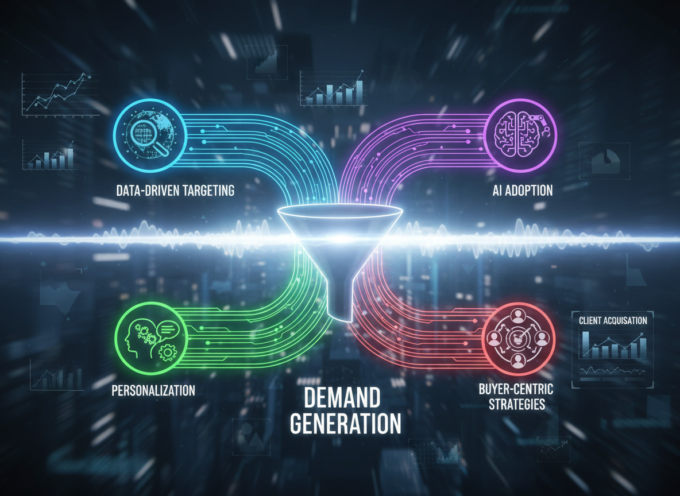
Data Driven Targeting and Segmentation
Go to market success now depends on precision.
Technology enables:
- Granular segmentation based on data
- Real time audience updates
- Account level targeting
- Intent based prioritization
This allows organizations to focus resources on accounts with the highest revenue potential.
Alignment of Sales and Marketing Through Shared Systems
Technology has become the bridge between sales and marketing.
Shared platforms support:
- Unified data views
- Consistent lead definitions
- Transparent pipeline reporting
- Coordinated engagement strategies
Alignment driven by technology improves efficiency and accountability.
Personalization at Scale
Technology makes personalization achievable beyond manual effort.
Modern go to market strategies use technology to:
- Tailor messaging by role and industry
- Customize content delivery
- Adjust engagement based on behavior
- Improve relevance throughout the buyer journey
Personalized experiences increase trust and conversion rates.
Automation Improving Speed and Consistency
Automation plays a critical role in execution.
Technology enables:
- Faster lead response times
- Consistent follow up
- Scalable outreach
- Reduced operational friction
Speed and consistency are competitive advantages in B2B markets.
Analytics Driving Continuous Optimization
Go to market strategies are no longer static.
Technology provides analytics that allow teams to:
- Measure performance across channels
- Identify bottlenecks
- Optimize campaigns and processes
- Adjust strategy based on results
Continuous optimization replaces guesswork with insight.
Customer Experience as a Strategic Focus
Technology has elevated customer experience to a core go to market priority.
Organizations now focus on:
- Seamless cross channel engagement
- Transparent communication
- Value driven interactions
- Long term relationship building
Customer experience influences retention, expansion, and advocacy.
Final Thoughts
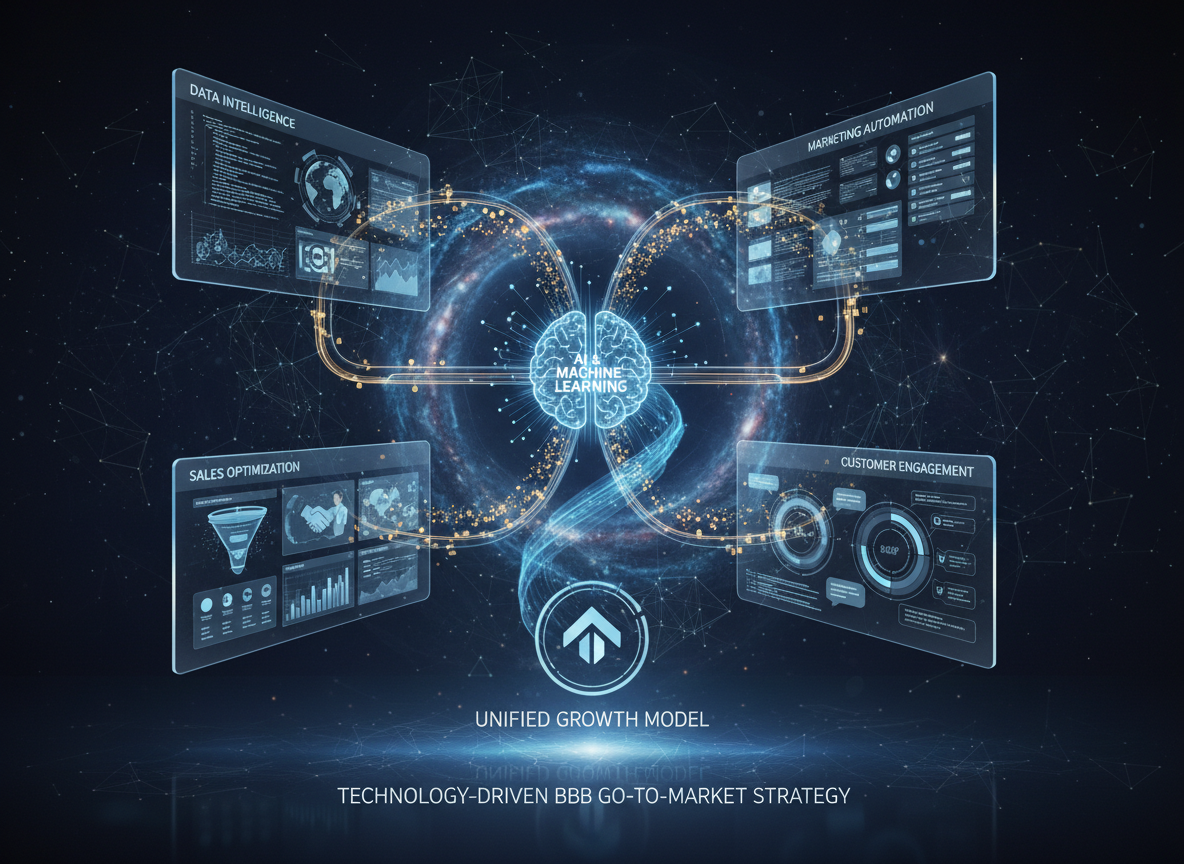
Technology is redefining the B2B go to market strategy by enabling precision, alignment, and adaptability. Organizations that integrate technology with strong processes and buyer centric thinking build scalable and resilient growth engines.
Those that rely on outdated models risk losing relevance in an increasingly competitive landscape.









Leave a comment