

Best SalesTech Tools to Improve B2B Pipeline Visibility
 Darshan JainDecember 18, 20252 Mins read0
Introduction
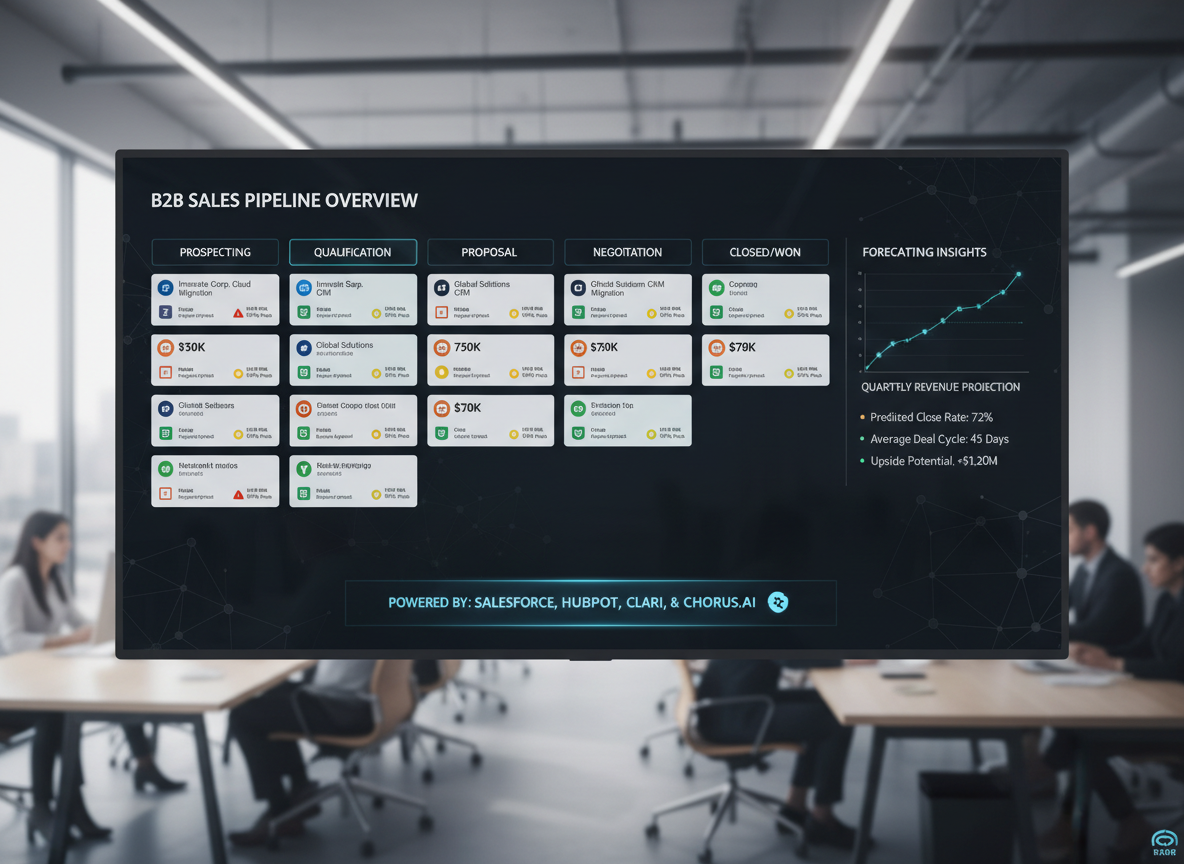
Pipeline visibility is one of the biggest challenges in B2B sales. Many sales leaders rely on outdated reports, incomplete CRM data, or gut instinct to understand deal health. The result is missed forecasts, stalled deals, and unpredictable revenue.
Sales Technology plays a critical role in fixing this problem. The right SalesTech tools provide real time visibility into pipeline movement, deal risk, and sales performance, allowing teams to act before opportunities are lost.
This article explains the types of SalesTech tools that improve pipeline visibility and how B2B teams should use them effectively.
What Pipeline Visibility Really Means
Pipeline visibility is not just knowing how many deals exist. It is understanding:
- Where each deal stands
- How likely it is to close
- What actions are required next
- Which deals are at risk
- How pipeline supports revenue targets
True visibility enables proactive decision making instead of reactive firefighting.
CRM Systems as the Pipeline Foundation
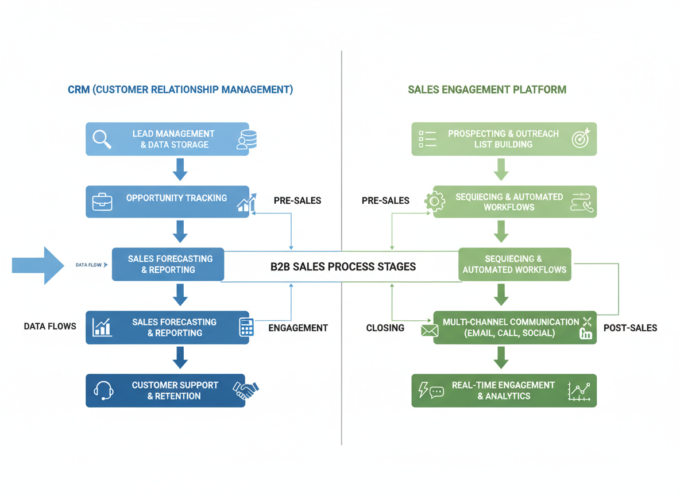
CRM platforms remain the core system for pipeline visibility.
A well configured CRM provides:
- Clear deal stages
- Accurate deal values
- Activity tracking
- Ownership accountability
- Historical deal data
If the CRM data is incomplete or outdated, no other tool can fix pipeline visibility.
Sales Forecasting and Revenue Intelligence Tools
These tools analyze pipeline data to predict outcomes more accurately.
They help teams:
- Identify deals likely to slip
- Spot stalled opportunities
- Assess forecast confidence
- Understand pipeline coverage gaps
Revenue intelligence removes bias from forecasting and improves leadership confidence.
Sales Engagement Tools and Activity Insights
Sales engagement platforms contribute to pipeline visibility by showing how prospects interact with outreach.
They provide insight into:
- Email opens and replies
- Call activity and outcomes
- Follow up consistency
- Engagement trends across deals
Engagement data often signals deal health before stage changes occur.
Analytics and Dashboarding Tools
Advanced analytics tools turn raw pipeline data into actionable insights.
They allow teams to:
- Track conversion rates by stage
- Measure deal velocity
- Compare rep performance
- Identify bottlenecks
Dashboards should highlight risks and opportunities, not just activity counts.
Common Mistakes That Reduce Pipeline Visibility
Even with tools in place, visibility suffers when teams:
- Skip data entry or updates
- Inflate deal values
- Advance stages without validation
- Ignore engagement signals
- Focus on volume instead of deal quality
Pipeline accuracy depends on discipline as much as technology.
How to Choose the Right Tools for Visibility
When evaluating SalesTech for pipeline visibility, focus on:
- CRM integration quality
- Real time data updates
- Ease of use for reps
- Clear forecasting logic
- Actionable insights rather than vanity metrics
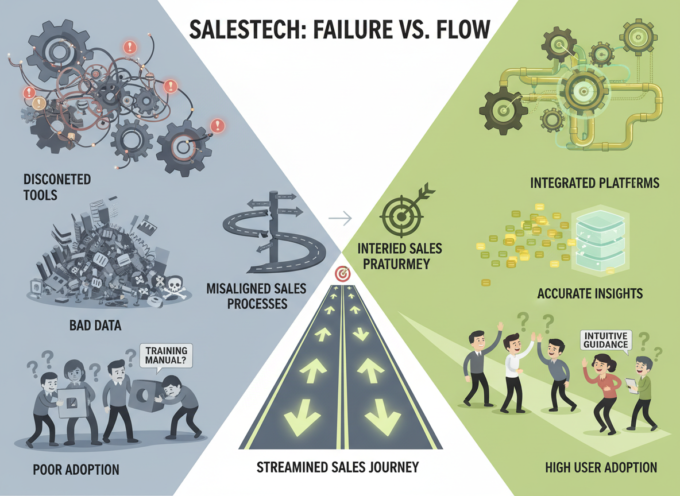
Complex tools that sales teams avoid using create blind spots instead of clarity.
Final Thoughts
Improving B2B pipeline visibility requires more than adding tools. It requires a combination of accurate data, disciplined processes, and SalesTech that supports decision making.
When done right, SalesTech transforms the pipeline from a static report into a living system that drives predictable revenue.






Leave a comment