

Practical Applications of AI in B2B Marketing Automation
 Darshan JainDecember 18, 20252 Mins read7
Introduction
Marketing automation has existed for years, but traditional automation relies heavily on predefined rules and manual setup. This limits flexibility and often results in generic messaging that fails to engage modern B2B buyers.
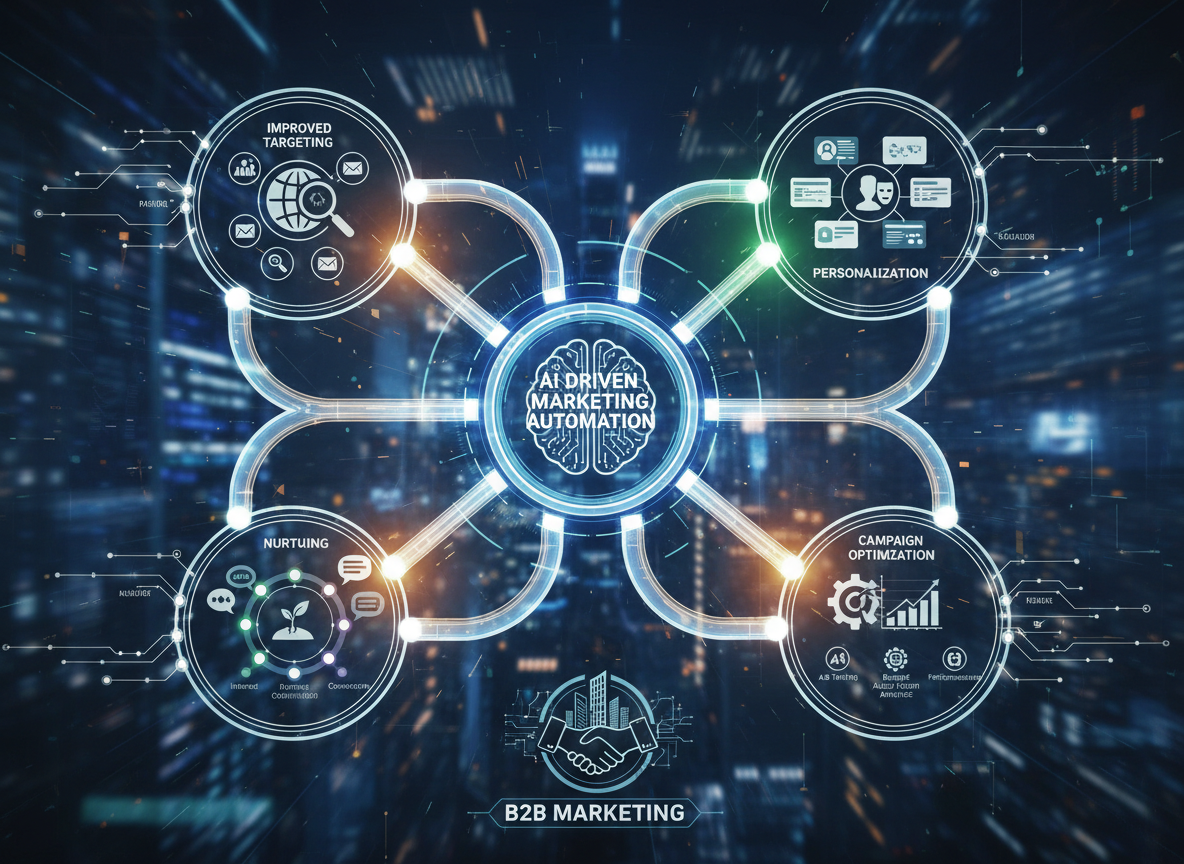
Artificial intelligence enhances marketing automation by making it adaptive, data driven, and responsive to buyer behavior. Instead of following static workflows, AI enables automation systems to learn and improve continuously.
This article explores practical ways AI is applied in B2B marketing automation today and how it improves performance.
AI Driven Audience Segmentation
Traditional segmentation uses fixed attributes such as industry or company size. AI goes further by identifying patterns in behavior and engagement.
AI improves segmentation by:
- Grouping prospects based on actions and interests
- Updating segments dynamically as behavior changes
- Identifying micro segments with higher conversion potential
- Reducing reliance on manual list building
Dynamic segmentation increases relevance and engagement.
Personalized Content and Messaging
Personalization is one of the strongest applications of AI in marketing automation.
AI enables:
- Content recommendations based on engagement history
- Personalized email subject lines and timing
- Adaptive messaging based on buyer stage
- Website experiences tailored to visitor behavior
Relevant content delivered at the right time improves response rates.
Intelligent Lead Nurturing
AI enhances lead nurturing by adapting workflows based on real behavior.
Instead of fixed sequences, AI driven nurturing:
- Adjusts frequency based on engagement
- Changes content based on interests
- Prioritizes leads showing buying signals
- Pauses outreach when interest declines
This creates a more natural and effective buyer experience.
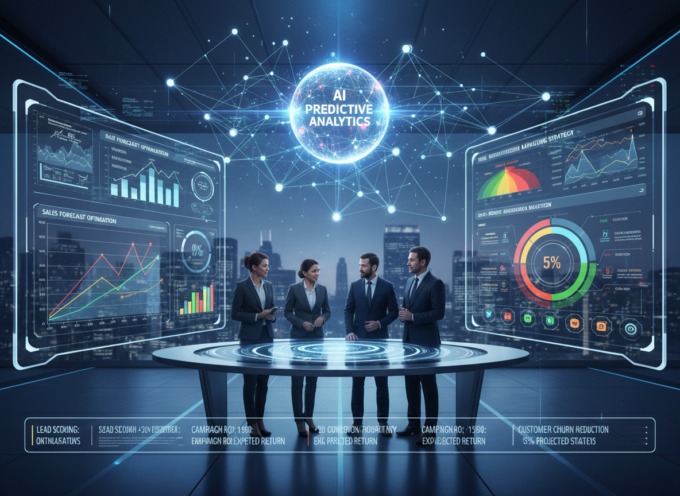
Predictive Campaign Optimization
AI analyzes campaign performance continuously.
It helps teams:
- Identify high performing content
- Optimize send times and channels
- Allocate budget more efficiently
- Detect underperforming campaigns early
Predictive optimization improves results without constant manual intervention.
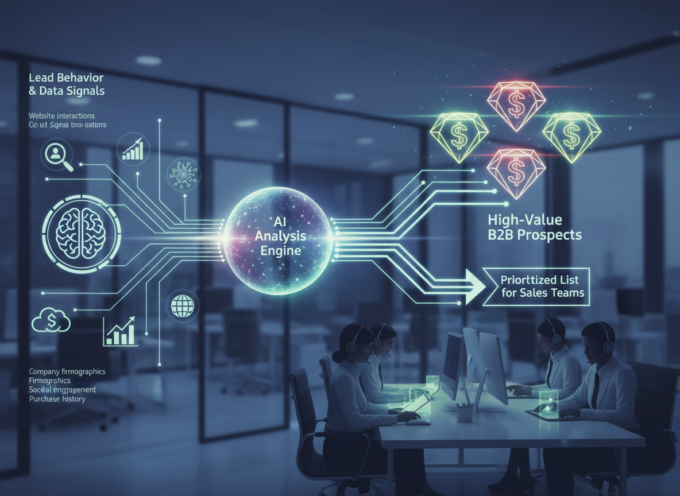
AI Assisted Lead Routing and Follow Up
AI improves speed and accuracy in lead handling.
Applications include:
- Routing leads to the right sales teams
- Prioritizing follow up based on intent
- Suggesting next best actions
- Reducing response time
Faster and smarter follow up increases conversion likelihood.
Data Quality and Automation Accuracy
AI relies heavily on data accuracy.
Effective AI driven automation requires:
- Clean and updated data
- Consistent tracking
- Integrated systems
- Ongoing monitoring
Without strong data foundations, AI driven automation loses effectiveness.
Final Thoughts
AI transforms marketing automation from a rule based system into an intelligent engine that adapts to buyer behavior. When applied practically, it improves relevance, efficiency, and performance across B2B marketing programs.
The true value of AI in automation is not complexity, but precision at scale.







Leave a comment