

AI Powered Lead Scoring Benefits Use Cases and Limitations
 Darshan JainDecember 18, 20252 Mins read8

Introduction
Lead scoring has always been a challenge in B2B sales and marketing. Traditional scoring models rely on static rules and assumptions that rarely adapt to real buyer behavior. As a result, sales teams chase low value leads while high intent prospects are missed.
AI powered lead scoring changes this dynamic. By analyzing large volumes of data and identifying patterns humans cannot easily see, AI improves accuracy and prioritization. However, it is not without limitations.
This article explains how AI powered lead scoring works, where it adds value, and where teams must be careful.
What AI Powered Lead Scoring Is
AI powered lead scoring uses machine learning models to evaluate leads based on multiple data points and behavioral signals.
Instead of fixed rules, AI analyzes:
- Engagement behavior
- Historical conversion patterns
- Firmographic and role data
- Intent signals
- Timing and frequency of interactions
The model continuously learns and adjusts as new data is introduced.
Benefits of AI Powered Lead Scoring
AI driven scoring offers several advantages over traditional models.
Key benefits include:
- More accurate lead prioritization
- Faster identification of sales ready prospects
- Reduced manual scoring adjustments
- Better alignment between marketing and sales
- Improved conversion rates
AI reduces guesswork and bias in lead qualification.
Common Use Cases in B2B Organizations
AI powered lead scoring is most effective when applied strategically.
Common use cases include:
- Prioritizing inbound leads at scale
- Ranking accounts for outbound sales focus
- Supporting account based marketing programs
- Improving lead routing and follow up timing
- Enhancing forecasting accuracy
These use cases help teams focus on opportunities with real revenue potential.
How AI Improves Sales and Marketing Alignment
Lead scoring is often a source of tension between teams.
AI improves alignment by:
- Using objective data instead of opinions
- Providing transparent scoring logic
- Reducing disputes over lead quality
- Creating shared confidence in prioritization
When sales trusts the scoring system, follow up improves.
Limitations of AI Powered Lead Scoring
AI is powerful but not flawless.
Limitations include:
- Dependence on data quality
- Lack of context for unique deals
- Over reliance on historical patterns
- Difficulty explaining complex scoring decisions
AI models reflect the data they are trained on. Poor data leads to poor outcomes.
Common Mistakes When Implementing AI Lead Scoring
AI scoring fails when teams:
- Use AI without clear objectives
- Ignore model tuning and review
- Treat AI scores as absolute truth
- Fail to involve sales teams
- Expect AI to fix broken funnels
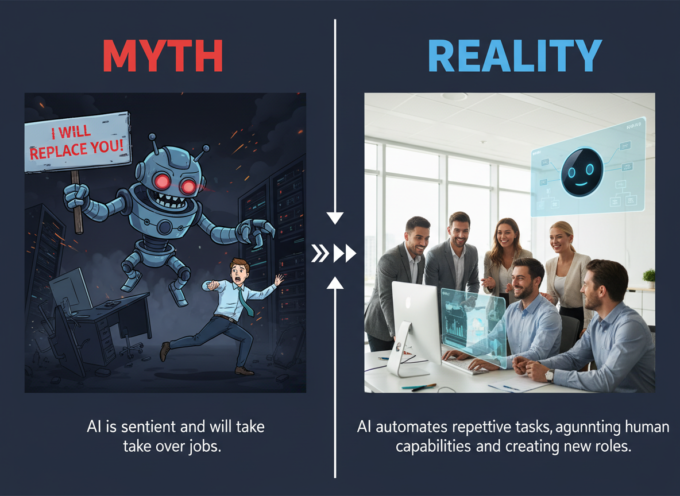
AI supports decision making. It does not replace it.
Final Thoughts
AI powered lead scoring improves efficiency, accuracy, and focus in B2B sales and marketing. When implemented with clean data and clear goals, it helps teams prioritize the right opportunities at the right time.
Used blindly, it creates false confidence. Used thoughtfully, it becomes a competitive advantage.









Leave a comment