



Introduction
Artificial intelligence is no longer experimental in B2B sales and marketing. It has moved from hype to practical application. Organizations that understand how to apply AI correctly are gaining efficiency, accuracy, and competitive advantage. Those that misunderstand it are either over automating or avoiding it altogether.
AI does not replace strategy, creativity, or human judgment. It enhances them. In B2B environments where data volume, buyer complexity, and long sales cycles dominate, AI provides clarity and scale.
This article explains how AI is transforming B2B sales and marketing in practical and measurable ways.
The Role of AI in Modern B2B Operations
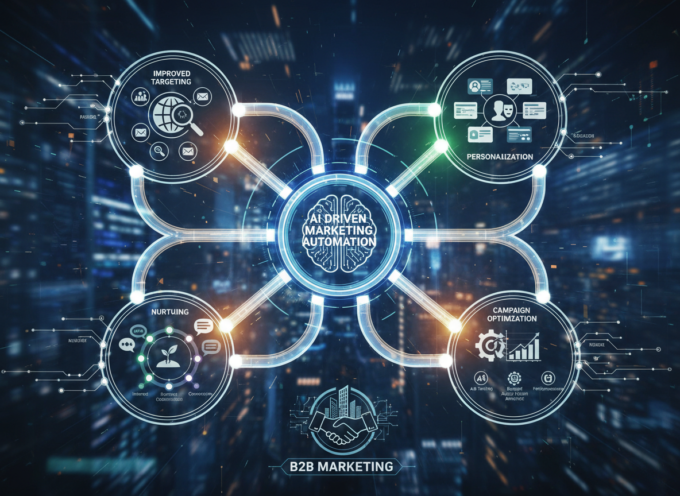
AI in B2B focuses on pattern recognition, prediction, and automation.
Its primary roles include:
- Analyzing large data sets
- Identifying trends and signals
- Automating repetitive tasks
- Improving decision accuracy
- Enhancing personalization at scale
AI helps teams work smarter, not harder.
AI in B2B Lead Identification and Targeting
Traditional targeting relies on static criteria. AI introduces dynamic intelligence.
AI improves targeting by:
- Analyzing behavioral data
- Identifying high intent accounts
- Predicting likelihood to convert
- Refining ICP definitions over time
This allows teams to focus efforts on prospects with real buying potential.
AI Powered Personalization in Marketing
Personalization at scale is difficult without AI.
AI enables:
- Content recommendations based on behavior
- Personalized email timing and messaging
- Adaptive website experiences
- Role specific content delivery
Relevant messaging increases engagement and improves conversion rates.
AI in Sales Enablement and Productivity
Sales teams benefit from AI driven assistance.
Common applications include:
- Prioritizing leads and accounts
- Suggesting next best actions
- Analyzing call and email interactions
- Reducing manual data entry
AI allows sales reps to spend more time selling and less time managing tasks.
Predictive Analytics and Forecasting With AI
AI improves forecasting accuracy by analyzing historical and real time data.
It helps organizations:
- Predict deal outcomes
- Identify pipeline risks early
- Improve revenue predictability
- Support strategic planning
Predictive insights reduce surprises and improve confidence.
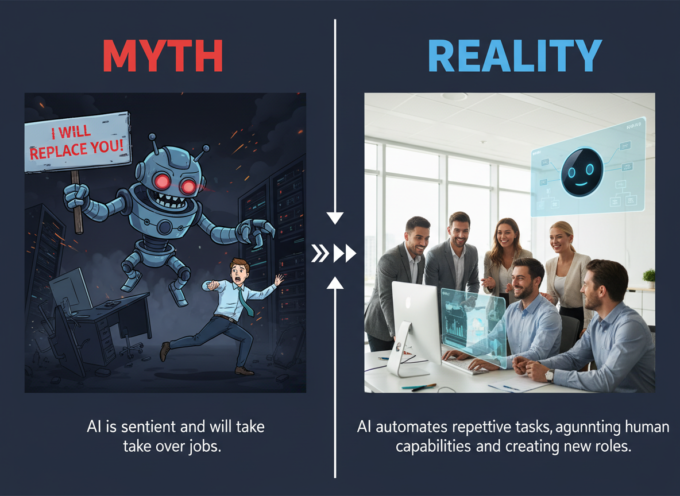
Common Misunderstandings About AI in B2B
AI adoption fails when teams:
- Expect instant results
- Ignore data quality
- Over automate buyer interactions
- Replace human judgment entirely
- Implement AI without clear goals
AI is a tool, not a strategy.
Final Thoughts
AI is transforming B2B sales and marketing by improving precision, efficiency, and insight. When combined with strong processes and accurate data, it becomes a powerful growth enabler.
Organizations that adopt AI thoughtfully will outperform those that treat it as a trend rather than a capability.







Leave a comment