

Best Marketing Automation Tools for B2B Lead Generation
 Darshan JainDecember 18, 20252 Mins read7
Introduction
Marketing automation is one of the most overhyped areas in MarTech — and one of the most misused. Many B2B teams expect automation tools to magically fix poor targeting, weak messaging, or broken funnels. They won’t.
When used correctly, marketing automation tools increase efficiency, improve lead nurturing, and create pipeline visibility. When used incorrectly, they simply automate bad marketing at scale.
This article breaks down the best types of marketing automation tools for B2B lead generation and how to evaluate them logically.
What Marketing Automation Does in B2B
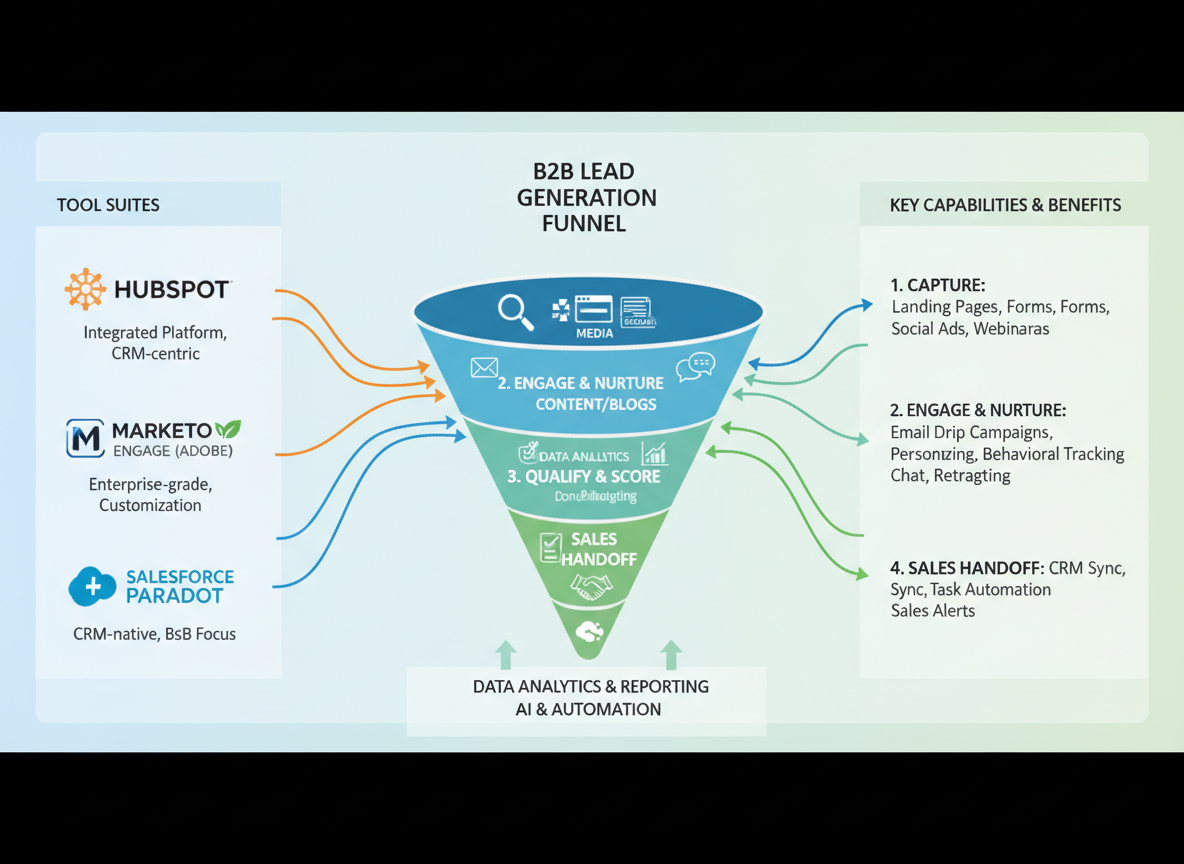
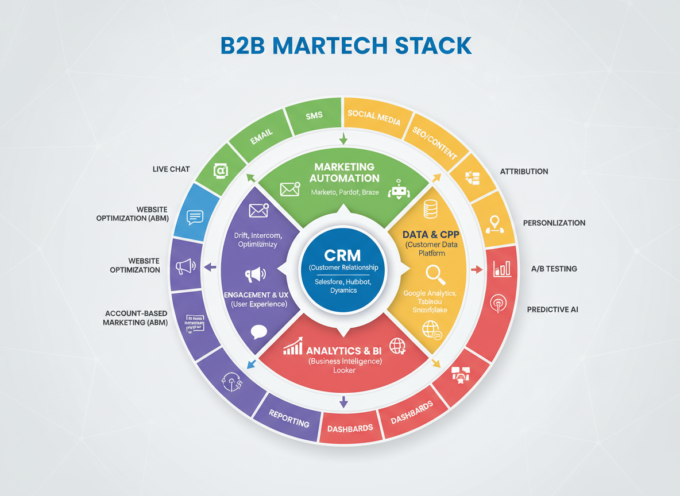
Marketing automation platforms help B2B teams:
- Capture and manage leads
- Automate email and campaign workflows
- Score and qualify leads
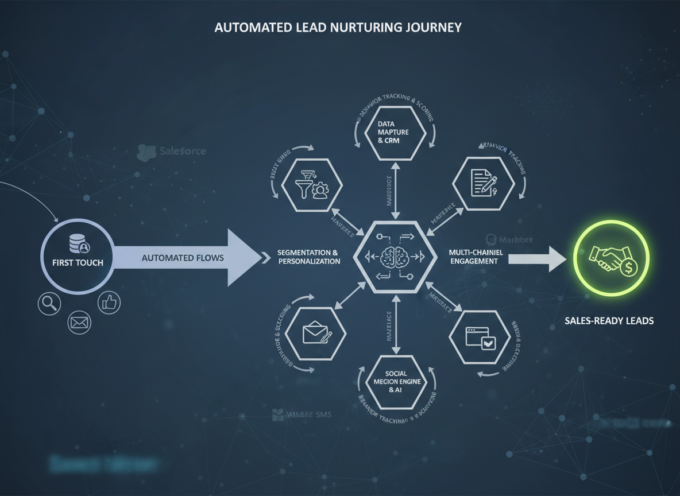
- Nurture prospects over time
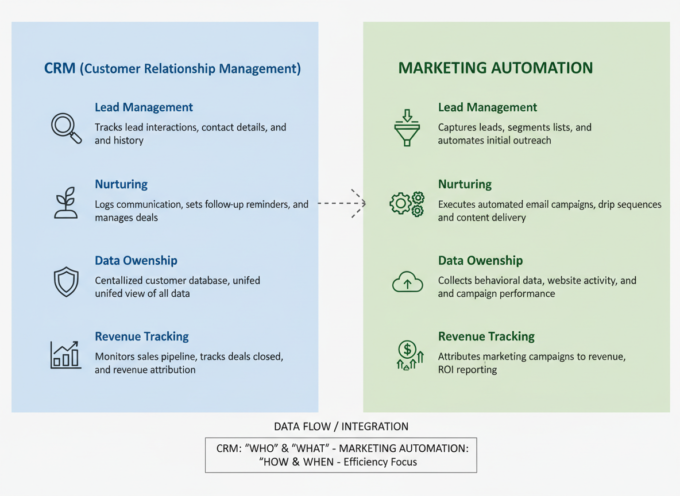
- Sync marketing activity with CRM systems
Automation supports process, not creativity or strategy.
Key Categories of Marketing Automation Tools
1. Enterprise Marketing Automation Platforms
Best for mid-market and enterprise B2B companies.
Typical capabilities:
- Advanced workflows
- Lead scoring and routing
- Multi-channel campaign orchestration
- Deep CRM integration
- Attribution and reporting
Use case:
- Complex sales cycles
- Multiple buyer roles
- Large databases
2. Mid-Market Automation Tools
Designed for growing B2B teams that need structure without heavy complexity.
Typical capabilities:
- Email automation
- Basic lead scoring
- Funnel tracking
- Campaign analytics
Use case:
- Scaling lead generation
- Smaller teams
- Limited technical resources
3. Account-Based Marketing (ABM) Automation Tools
Focused on targeting and engaging specific high-value accounts.
Typical capabilities:
- Account-level targeting
- Personalized outreach
- Multi-touch engagement tracking
- Sales–marketing coordination
Use case:
- Enterprise sales
- High contract values
- Strategic account focus
4. Email and Outreach Automation Tools
Narrower tools focused on outbound execution.
Typical capabilities:
- Automated email sequences
- Follow-up logic
- Engagement tracking
- Deliverability monitoring
Use case:
- Outbound-heavy strategies
- SDR and sales-led growth
- Fast pipeline creation
How to Choose the Right Automation Tool
Instead of asking “Which tool is best?”, ask:
- Does it integrate with our CRM?
- Can it support our buyer journey?
- Does it match our team’s skill level?
- Can it scale with data volume?
- Does it improve lead quality, not just volume?
Buying more features than you can use is a waste.
Common Mistakes When Implementing Automation
Most failures come from predictable errors:
- Automating before validating messaging
- Poor data feeding into workflows
- Over-scoring leads with weak signals
- Ignoring sales feedback
- Measuring opens instead of pipeline impact
Automation amplifies discipline — or dysfunction.
Measuring Success of Marketing Automation
What actually matters:
- Conversion rates by funnel stage
- Lead-to-opportunity ratio
- Sales acceptance rate
- Pipeline contribution
- Revenue influence
If automation doesn’t improve these, it’s not working — regardless of how busy it looks.
Final Thoughts
Marketing automation tools are powerful when aligned with clear strategy, clean data, and defined processes. They don’t replace marketers or sales teams — they support them.
Choose tools based on fit and function, not popularity.





Leave a comment