

What Is Marketing Technology? A Practical Guide for B2B Teams
 Darshan JainDecember 18, 20252 Mins read7
Introduction
Marketing Technology — or MarTech — is one of the most misunderstood areas in B2B. Many teams buy tools hoping they’ll fix weak pipelines, poor targeting, or misaligned sales teams. They don’t.
MarTech is not a shortcut. It’s an enabler. When implemented correctly, it improves efficiency, visibility, and scalability. When implemented poorly, it becomes an expensive mess of unused software.
This guide explains what MarTech really is, how B2B teams should use it, and where most companies go wrong.
What Is Marketing Technology?
Marketing Technology refers to the software and platforms used to plan, execute, manage, and measure marketing activities.
In a B2B context, MarTech supports:
- Lead acquisition
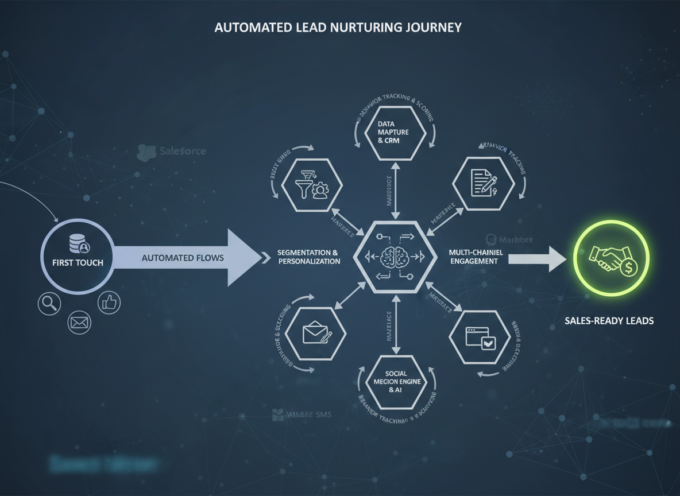
- Lead nurturing
- Campaign execution
- Customer engagement
- Performance measurement
It connects marketing strategy to execution and data.
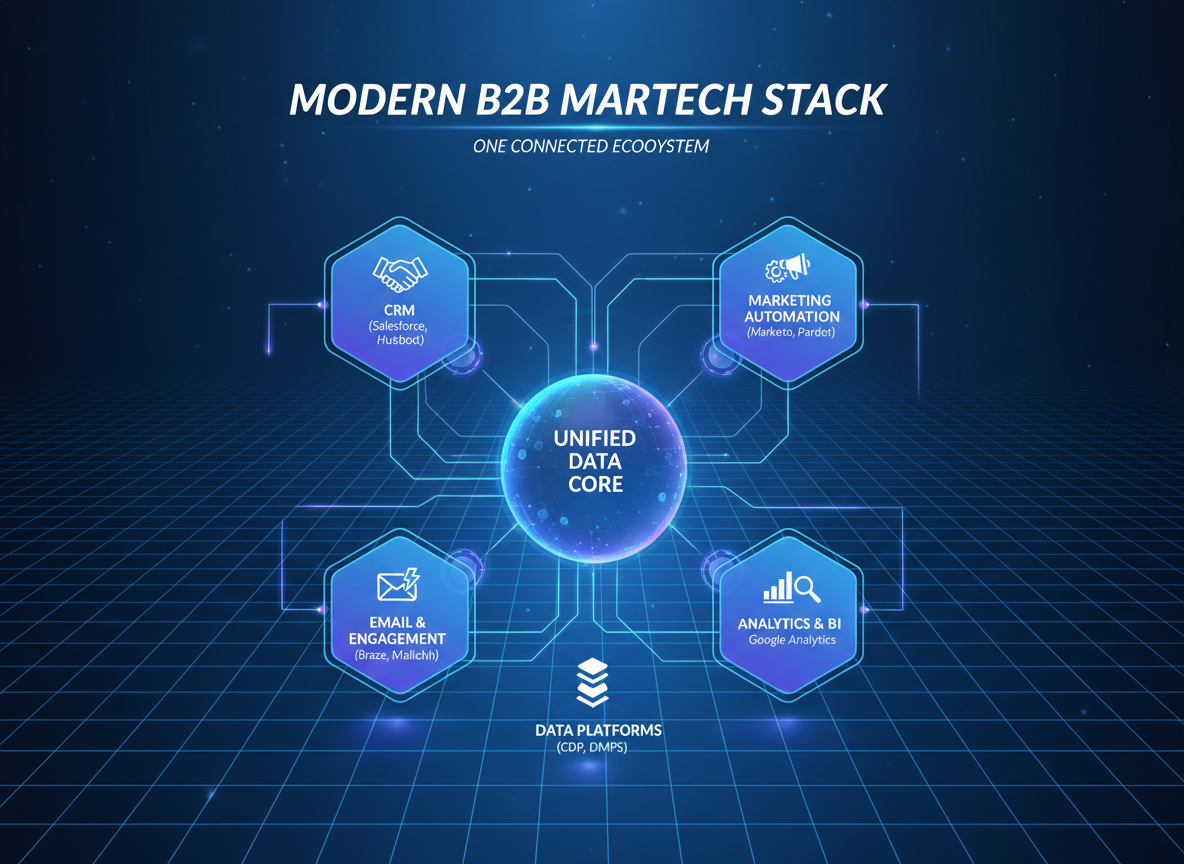
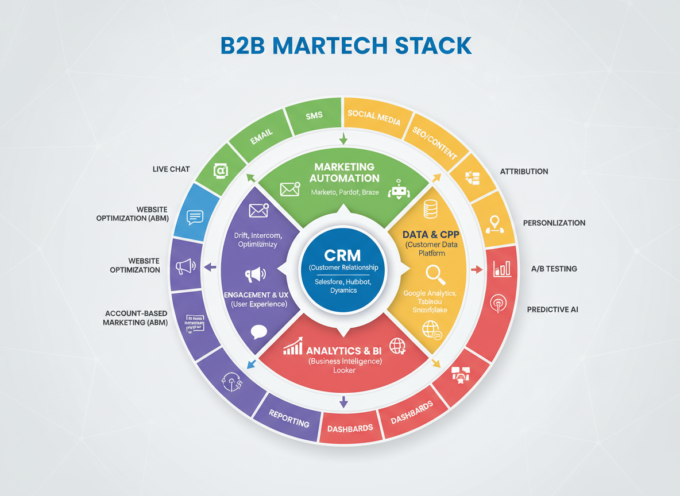
Core Components of a B2B MarTech Stack
A typical B2B MarTech stack includes:
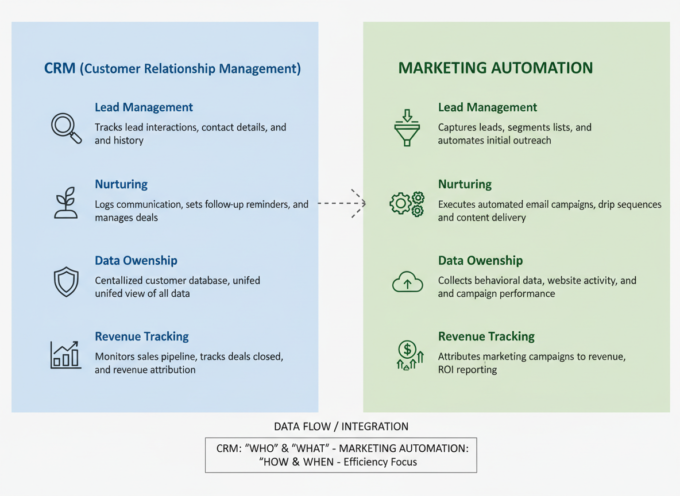
1. Customer Relationship Management (CRM)
- Central system for managing leads and accounts
- Aligns marketing and sales data
- Tracks pipeline and revenue impact
2. Marketing Automation Platforms
- Automate email campaigns and workflows
- Manage lead scoring and nurturing
- Enable personalization at scale
3. Email Marketing Tools
- Execute outbound and nurturing campaigns
- Monitor deliverability and engagement
- Segment audiences effectively
4. Data and Analytics Tools
- Track campaign performance
- Measure attribution and ROI
- Identify funnel bottlenecks
5. Data Management and Enrichment Tools
- Improve data accuracy
- Append firmographic and technographic details
- Maintain database health
Each tool has a role — overlap creates confusion, not efficiency.
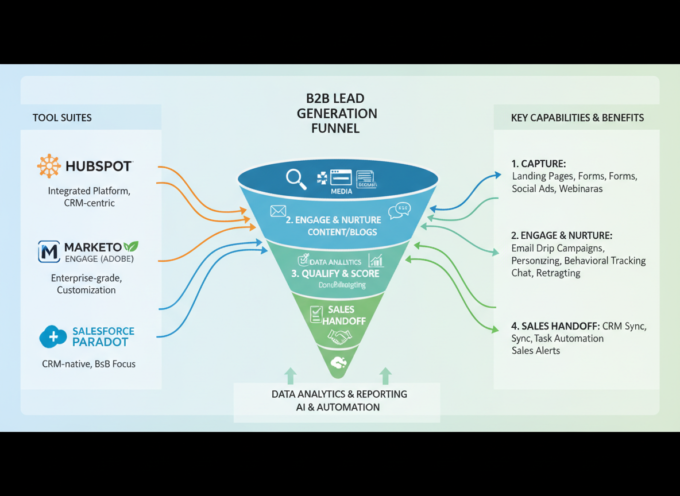
How MarTech Supports B2B Lead Generation
When aligned correctly, MarTech enables:
- Better targeting through segmentation
- Faster follow-ups via automation
- Consistent nurturing across buyer stages
- Clear visibility into lead performance
MarTech doesn’t create demand — it scales demand generation efforts that already work.
Common MarTech Mistakes B2B Teams Make
Most failures come from these errors:
- Buying tools before defining processes
- Overcomplicating the stack
- Poor integration between systems
- Ignoring data quality
- Measuring activity instead of impact
More tools do not equal better marketing.
How to Choose the Right MarTech Stack
A practical selection approach:
- Define your funnel and buyer journey
- Identify gaps in execution
- Choose tools that solve specific problems
- Ensure integration with CRM
- Train teams before scaling usage
Start small. Expand only when value is proven.
MarTech and Sales Alignment
MarTech is most powerful when sales and marketing share:
- Lead definitions
- Funnel stages
- Performance dashboards
- Revenue accountability
If sales doesn’t trust marketing data, MarTech adoption will fail.
Final Thoughts
Marketing Technology is not about chasing the latest tools. It’s about building a connected, purposeful system that supports growth.
For B2B teams, MarTech should simplify execution, improve insight, and strengthen alignment — not add complexity.




Leave a comment