

B2B Lead Generation Strategies That Actually Work in 2025
 Darshan JainDecember 18, 20252 Mins read13
Introduction
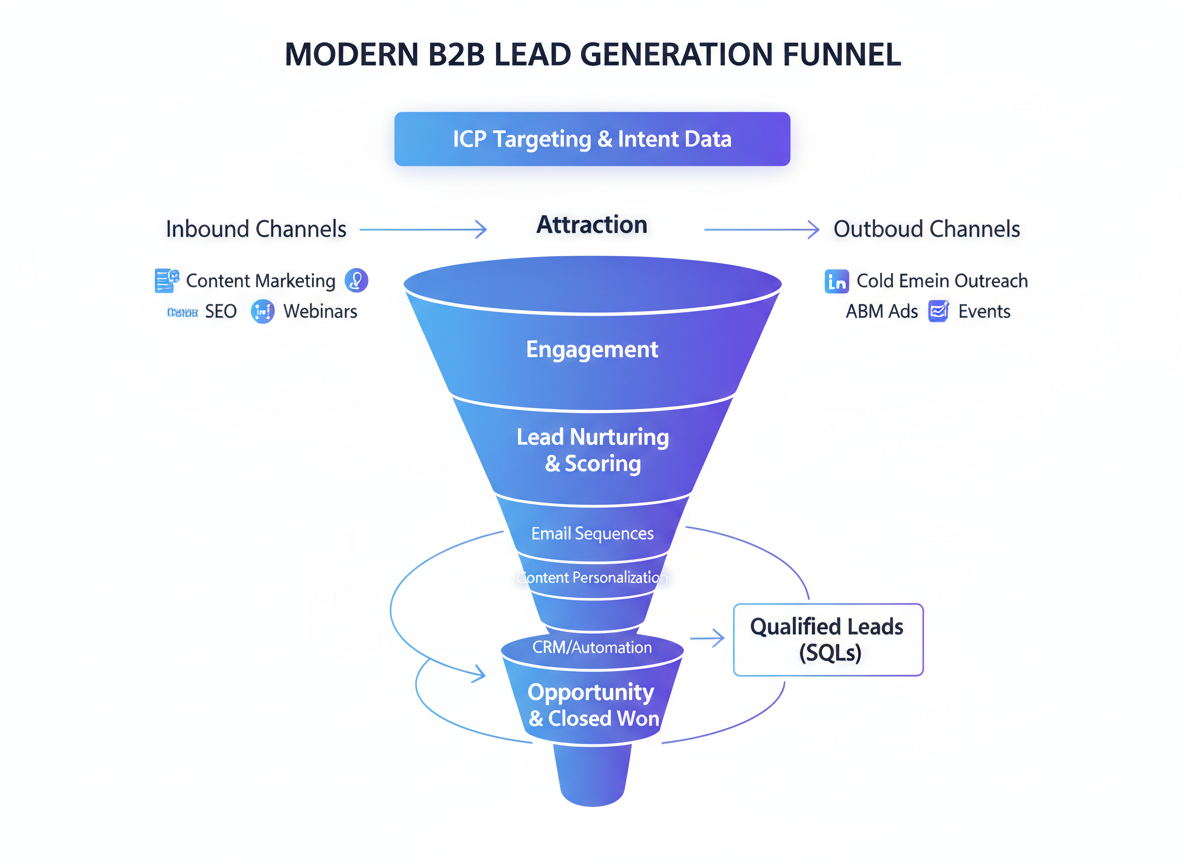
B2B lead generation in 2025 is not about volume. Anyone still chasing massive contact lists without intent, accuracy, or timing is burning money. Buyers are harder to reach, attention is fragmented, and poor data kills conversion before sales even gets involved.
What works now is precision, relevance, and systems, not hacks.
This article breaks down real B2B lead generation strategies that work today, why most fail, and how serious companies build predictable pipelines.
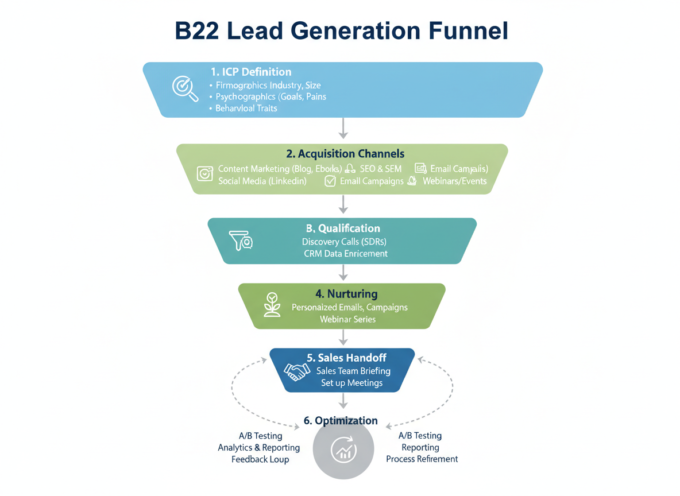
1. Stop Chasing Volume, Start Chasing Fit
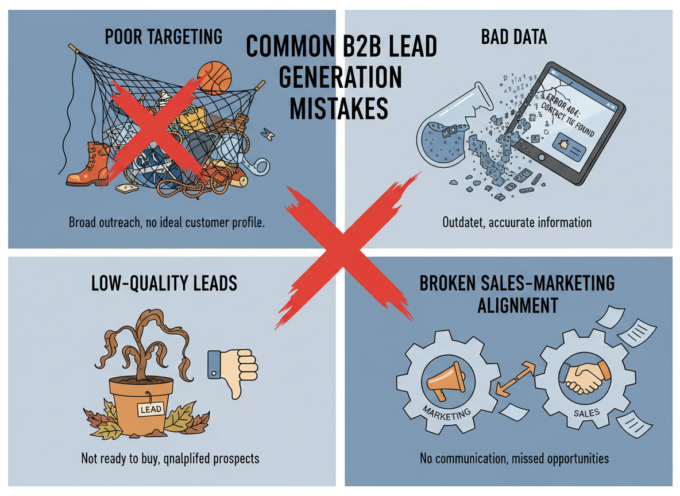
Most B2B campaigns fail at the first step: target definition.
If your ICP is vague (“mid-size companies” or “IT decision-makers”), your leads will be garbage.
What works in 2025:
- Narrow ICP by industry, company size, tech stack, and buying triggers
- Separate decision-makers from influencers
- Build different funnels for different buyer roles
High-fit leads convert even with average messaging. Low-fit leads don’t convert even with great copy.
2. Intent Data Beats Cold Targeting
Cold outreach without intent is just noise now.
High-performing teams use:
- Search intent
- Content consumption signals
- Tech-install and change signals
- Engagement history across channels
Intent data doesn’t replace lead generation — it prioritizes it.
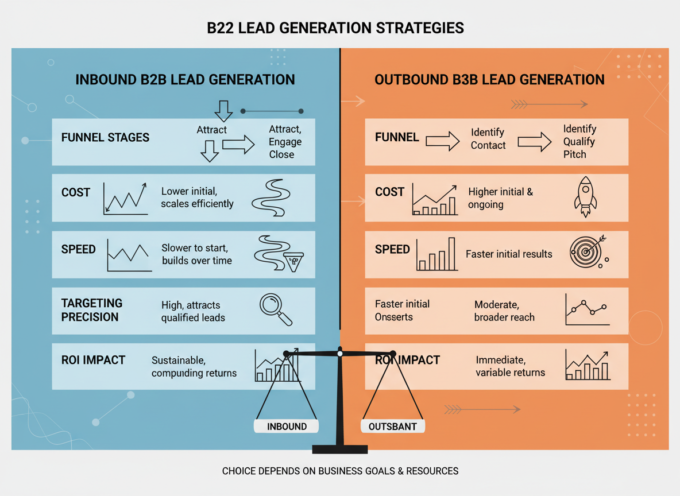
You still need outbound and inbound, but intent decides who goes first.
3. Inbound Still Works — If You Stop Doing It Wrong
Inbound isn’t dead. Bad inbound is.
What no longer works:
- Generic blog posts
- Keyword stuffing
- Writing for traffic instead of buyers
What works:
- Problem-aware content, not product pitches
- Category-level authority (not random posts)
- Strong middle-of-funnel assets (guides, comparisons, frameworks)
Inbound leads should be educated before they ever talk to sales.
4. Outbound Isn’t Dead Either — Spray-and-Pray Is
Outbound still drives revenue, but only when it’s personalized at scale, not templated spam.
Effective outbound in 2025:
- Smaller, highly targeted lists
- Context-aware messaging
- Multi-touch sequences (email + LinkedIn + calls)
- Value-first positioning, not demos on day one
If your SDRs sound automated, you’ve already lost.
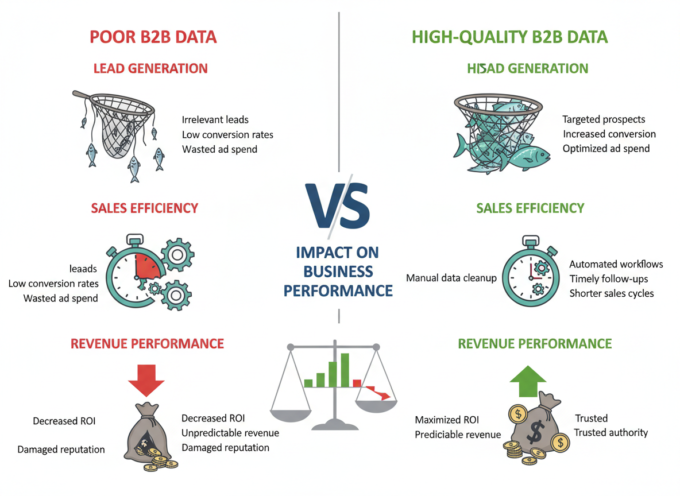
5. Data Quality Is the Silent Revenue Killer
You can’t fix bad leads downstream.
Common data issues:
- Outdated contacts
- Wrong job roles
- Generic emails
- Missing firmographics
High-performing teams invest in:
- Regular data cleansing
- Verification before campaigns
- Continuous enrichment
Clean data doesn’t just improve delivery — it improves sales trust.
6. Lead Nurturing Is Where Most Revenue Is Won
Most leads are not ready now. Ignoring them is lazy.
Effective nurturing includes:
- Role-specific messaging
- Behavior-based follow-ups
- Educational sequences, not sales pressure
- Consistent value over time
If you don’t nurture, your competitor will.
7. Technology Supports Strategy — It Doesn’t Replace It
Marketing automation, CRMs, and AI tools help — but only after strategy is clear.
Common mistake:
Buying tools to fix broken processes
Correct approach:
- Define funnel stages first
- Map touchpoints
- Then automate what already works manually
Tools amplify discipline. They don’t create it.
Final Thoughts: What Actually Works
B2B lead generation in 2025 is not about trends — it’s about execution quality.
Winning teams:
- Know exactly who they target
- Use intent intelligently
- Balance inbound and outbound
- Treat data as an asset
- Build systems, not campaigns
Everything else is noise.
Internal Linking (we’ll add later)
This post will later link to:
- Data quality (Data & Analytics)
- Marketing automation (MarTech)
- AI lead scoring (AI in B2B)




Leave a comment